A Patient’s Timeline for Getting Dental Crowns


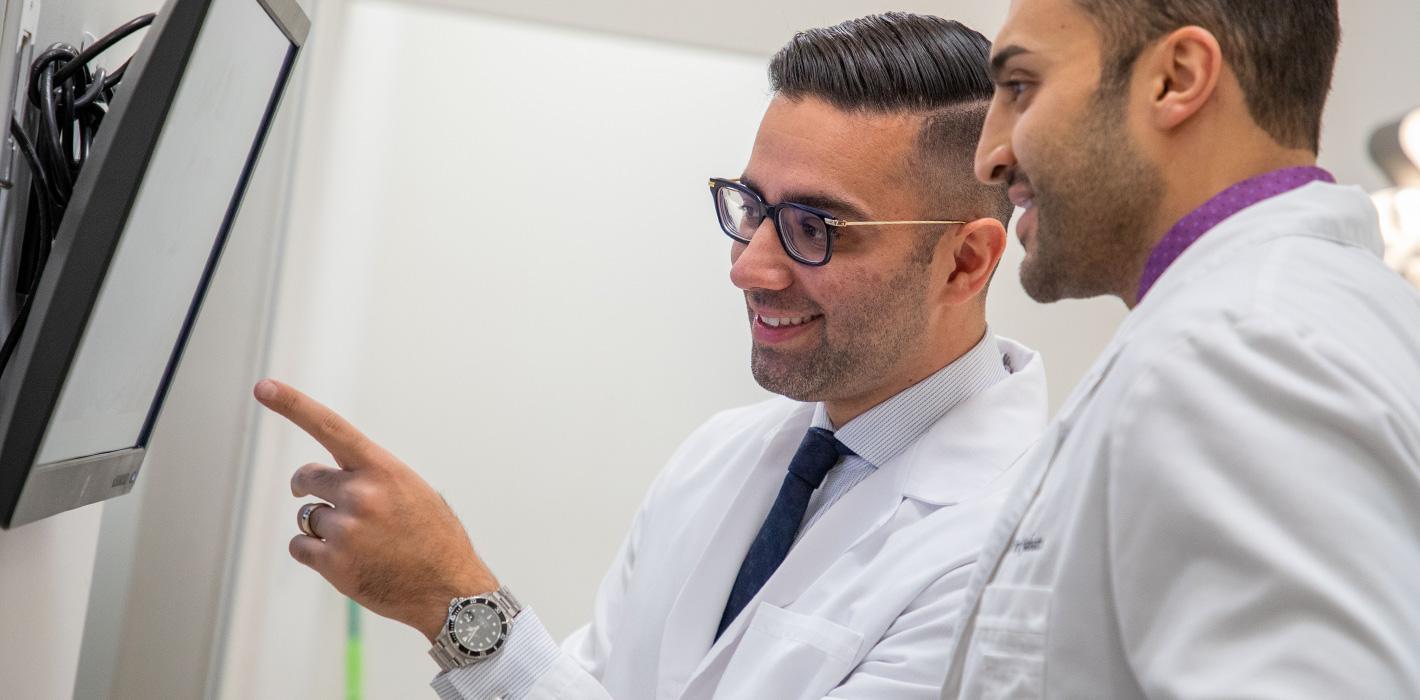
Getting dental crowns rarely happens in one dramatic moment. For most patients, it unfolds over a series of appointments, decisions, waiting periods, and small adjustments that matter more than people expect. The crown itself is only one part of the process. The larger story involves diagnosis, planning, preparation of the tooth, a temporary phase that can be mildly annoying, and then the final fit, bite, and follow-up.
Patients often ask a simple question: how long does it take? The honest answer is that it depends on why the crown is needed, which tooth is involved, whether there is existing decay or a crack under an old filling, and whether the practice uses a laboratory or same-day milling system. For a straightforward case, the timeline may be one to three weeks from preparation to final placement. For a more complex case, especially one involving root canal treatment, gum issues, or a broken tooth near the gumline, the process can stretch longer.
That range can feel vague until you understand what happens at each stage. Once patients see the sequence clearly, they tend to feel more in control and much less anxious.
Why patients end up needing crowns in the first place
A dental crown is essentially a cap that covers and protects a damaged or weakened tooth. It is not a cosmetic luxury in most cases. More often, it is the practical answer when a tooth has lost too much structure to be trusted with a simple filling.
A molar with a large, aging silver filling is a classic example. The tooth may feel fine for years, then develop a small crack line that starts to cause pain when chewing something firm, like a crust of bread or a nut. In another case, a patient may need a crown after root canal treatment because the tooth has become more brittle and is at higher risk of fracture. Front teeth are a little different. They may need crowns after trauma, severe wear, or extensive bonding that no longer holds up.
The reason matters because it affects the pace. A crown placed on an otherwise healthy tooth after a fracture is often more straightforward than a crown on a tooth with deep decay extending toward the nerve or under the gum.
The first visit, evaluation and treatment planning
The timeline usually begins with an exam. Sometimes this happens during a routine cleaning visit, when the dentist notices a failing filling or a cracked cusp. Other times, the patient comes in because something hurts, something broke, or food is packing into a spot that never used to be a problem.
At this stage, the dentist is looking for several things at once. Is the tooth restorable? Is there enough healthy structure left to support a crown? Is the nerve still healthy, or are there signs that root canal treatment may be necessary first? What do the gums and bone around the tooth look like? If the tooth has been drifting, tipped, or worn down, how will that affect the bite?
This is also when imaging comes into play. Standard dental X-rays show decay, bone levels, old restorations, and the health of the root. They do not always show cracks clearly, which is why a clinical exam matters just as much. Dentists also evaluate how the tooth responds to pressure, cold, and tapping. A tooth can look manageable on an X-ray and still behave like a problem clinically.
For a simple case, treatment planning can happen quickly. You may leave this first visit with a crown appointment already scheduled. For a less predictable tooth, the dentist may advise watchful waiting, build-up treatment, root canal therapy, or a referral to a specialist before moving ahead.
In practical terms, this first phase may take a single appointment of 30 to 60 minutes. If the office is busy, the actual crown preparation may be booked a few days or a few weeks later.
Before the tooth is prepared, a few details matter
Patients tend to focus on the tooth, but there are a few less visible factors that can change the timeline. One is insurance authorization. Not every office waits for pre-approval, but many will submit documentation first if coverage is uncertain. That can add several business days.
Another is symptom stability. If the tooth has been throbbing, waking you at night, or reacting sharply to temperature, the dentist may be cautious about placing a crown before the nerve status is clearer. Crowns protect teeth, but they do not solve nerve pain caused by irreversible inflammation. In those cases, moving too quickly can create frustration, because the patient may still need a root canal through or around a brand-new restoration.
There is also the question of gum health. If the gums are inflamed or overgrown around the tooth, impressions or digital scans may be less accurate. Sometimes a short delay to settle the tissue makes the final crown fit better.
None of this means the case is going off track. It means the team is trying to get the sequence right.
The crown preparation appointment, where the real work happens
For traditional dental crowns, this is the longest and most involved visit. Most patients spend between 60 and 120 minutes in the chair, depending on the tooth and the complexity of the case.
The appointment starts with local anesthetic. Even patients who are usually relaxed about dental care often feel some relief once they know the area will be fully numb. A lower molar with deep existing work may need more time to get adequately anesthetized than an upper front tooth. Dentists usually account for that, but it explains why two crown appointments can feel very different in duration.
Once the tooth is numb, the old filling, decay, weakened enamel, or fractured tooth structure is removed. This is the stage where surprises show up. A tooth that looked large but manageable on the X-ray may reveal decay sneaking under the old restoration. A cusp may crack further once unsupported material is removed. Occasionally the tooth is actually in better shape than expected, which is the pleasant version of the same story.
If enough structure remains, the dentist reshapes the tooth so a crown can fit over it. If the tooth is too broken down, a core build-up may be placed first. That is essentially a foundation material that replaces lost structure and helps support the future crown.
After preparation, the dentist captures the shape of the tooth and the bite. Some practices use impression material in trays, which many patients remember as the putty step. Others use an intraoral scanner, which creates a digital model. Both methods can work well when done carefully. Accuracy matters here, because a tiny discrepancy can translate into a crown that feels high, open at the margin, or slightly off in contact with the neighboring tooth.
Shade selection is another detail, particularly for visible teeth. For front crowns, matching color is only part of the job. Surface texture, translucency, and light reflection matter too. Patients are sometimes surprised that a front tooth can look technically the right shade yet still appear a little different if those subtleties are ignored.
At the end of the appointment, most patients receive a temporary crown unless the office is making the final restoration the same day.
The temporary crown phase, short but important
Temporary crowns have a reputation for being flimsy, and sometimes that reputation is deserved. They are not designed to last for months under heavy chewing. Still, a well-made temporary does more than cover a tooth. It protects the prepared tooth from sensitivity, helps keep the tooth from shifting, and gives the gums a contour that helps the final crown fit and look natural.
This stage is where many patients become impatient. The painful part, if there was one, is often over. The tooth looks normal enough. Life gets busy. Then the temporary loosens the night before a trip or pops off while eating something sticky. That is not unusual.
The temporary period usually lasts about one to three weeks when a laboratory is fabricating the final crown. Some specialty materials or complicated cosmetic cases can take longer. If the office offers same-day crowns with in-house milling, the waiting period may disappear, but same-day does not automatically mean better. It means the workflow is faster. Whether it is the best choice depends on the case, material, and the clinician’s experience with the system.
Patients do best during this phase when they treat the temporary as temporary. Chew more carefully on that side if advised. Be cautious with caramel, chewing gum, very crusty bread, and anything that pulls rather than crushes. Flossing may need a modified technique, often sliding the floss out sideways instead of lifting it straight up, to reduce the chance of dislodging the temporary.
Some mild sensitivity to cold or pressure can be normal in these days. Sharp pain, lingering throbbing, or a bite that feels dramatically wrong deserves a call to the office. Waiting and hoping tends to make these situations harder to sort out.
What the dental laboratory is doing while you wait
Patients often imagine that once the impression is taken, the hard part is over. Clinically, yes. Technically, the next stage is where a lot of precision comes in.
The lab or in-office milling system uses the impression or digital scan to fabricate the crown. Depending on the material, the restoration may be metal-free ceramic, zirconia, porcelain fused to metal, or another option chosen for strength and appearance. Back teeth that take heavy force often need a different material strategy than front teeth, where esthetics dominate.
A good lab is not simply printing a cap. The technician is balancing fit, contours, contact points, occlusion, material thickness, and sometimes cosmetic nuances that are not obvious to the patient but make a big difference long term. A crown that looks smooth and pretty in the hand can still fail the real test if it traps food, pinches the gum, or lands too heavily in the bite.
Lab time varies. In many practices, seven to fourteen days is typical. Shipping time can extend that, especially around holidays.
The delivery appointment, when the final crown is tried in
The placement visit is usually shorter than the preparation visit, often 30 to 60 minutes, though complex cosmetic cases can take longer. In some cases, little or no anesthetic is needed. In others, particularly if the tooth is sensitive or the temporary cement is stubborn, local anesthetic makes the appointment more comfortable.
The temporary crown is removed first. The tooth is cleaned, and the final crown is tried in before permanent cementation. Patients sometimes think this is a formality. It is not. This is when the dentist checks marginal fit, contact with adjacent teeth, color, contour, and bite.
Bite adjustment matters more than many people realize. A crown that is microscopically high can feel tolerable at first, then lead to tenderness when chewing, jaw fatigue, or temperature sensitivity over several days. The opposite problem, a crown with weak contact in the bite, is less dramatic but can still affect function.
There is a judgment call here that good dentists make constantly. A crown can be made to fit on paper and still not fit the patient. If something feels wrong during the try-in, especially with front teeth, patients should say so before the crown is cemented. Once bonded or cemented permanently, changing shape or shade becomes far less simple.
If the fit is correct, the crown is cemented or bonded into place. The dentist removes excess cement, rechecks the bite, and confirms the floss contacts. Most patients leave this appointment relieved that the process is done. Often, it is. Occasionally, a short settling-in period follows.
The first few days after placement
A newly cemented crown can feel slightly unfamiliar even when it is made beautifully. Your tongue notices new contours long before your brain stops paying attention to them. That part is normal.
What is also common is mild tenderness around the gum for a day or two, especially if the tooth had significant work beforehand. Some patients experience brief sensitivity to cold. If the tooth had a large prior filling or deep decay, the nerve may need time to settle.
The question is not whether you feel anything at all. The question is whether the symptoms trend better or worse. Better usually means the bite feels more natural each day, chewing gets easier, and temperature sensitivity fades. Worse means increasing pain, night throbbing, https://jaredaiuo319.trexgame.net/everything-to-know-about-cerec-same-day-dental-crowns inability to chew, or the feeling that the tooth strikes first every time you close.
Dentists would much rather adjust a bite early than hear about a problem weeks later after the tooth has remained irritated. A tiny bite adjustment can sometimes rescue what feels like a major issue.
When the timeline gets longer than expected
The clean, two-visit crown story is real, but it is not universal. Cases run longer for good reasons.
A tooth may need root canal treatment either before crown preparation or after the tooth is prepared if symptoms evolve. A deep margin may require periodontal recontouring or other procedures so the final crown can be placed on sound tooth structure. A patient who clenches or grinds heavily may need occlusal planning, material changes, or a night guard discussion before the case is truly complete.
Sometimes the delay is purely technical. The lab may remake the crown if the shade is off or the fit is not acceptable. Patients can feel frustrated when told the crown is not ready after all, but a remake is often a sign of quality control, not incompetence. It is better to spend another week than to cement a restoration that everyone knows is wrong.
Front teeth, especially a single upper central incisor, are notorious for requiring extra finesse. Matching one front tooth to the neighboring natural tooth is among the most demanding jobs in restorative dentistry. Those cases may involve photographs, custom shading, or even a second try-in. Back teeth are generally more forgiving aesthetically, but they carry heavier functional demands.
A realistic timeline from start to finish
For the average patient, the process often looks something like this in real life:
- Evaluation and diagnosis at a routine or problem-focused visit.
- Crown preparation appointment, often scheduled days or weeks later.
- Temporary crown phase while the lab fabricates the final restoration.
- Final crown delivery and bite adjustment.
- Follow-up only if sensitivity, bite issues, or cosmetic concerns need attention.
That may span as little as one day with same-day technology, around two to three weeks for many standard lab cases, or longer if additional treatment is required.
What patients can do to keep the process smooth
Some parts of the timeline are outside your control, but several are not. Patients who understand this tend to have fewer interruptions and fewer emergency calls.
If the office asks you to return promptly for the final seat, do not stretch a two-week temporary into two months. Teeth can drift subtly, gums can change shape, and temporary materials wear faster than patients expect. If the temporary comes off, call. If the bite feels high, call. If a tooth starts waking you up at night, call. Small early fixes often prevent larger setbacks.
It also helps to be candid about clenching, previous bad experiences with numbness, or a tendency to feel sensitive after dental work. Those details can change how the appointment is managed. Dentists are often able to make the process more comfortable when they know what happened last time.
A few habits make the biggest difference during treatment:
- Avoid sticky or very hard foods on a temporary crown unless your dentist says otherwise.
- Keep the area clean, especially at the gumline, even if it feels slightly tender.
- Report lingering pain, a loose temporary, or a bite that feels uneven.
- Wear a night guard if you already have one and your dentist advises continuing.
- Keep the final placement appointment as close to schedule as possible.
The emotional side of the timeline
There is a practical reason patients ask about timing, they want to plan work, travel, and cost. There is also an emotional reason. Dental treatment feels more manageable when it has a clear arc.
What unsettles people is not usually the crown itself. It is uncertainty. Will the tooth hurt afterward? Will the temporary stay on? Will the final one look natural? Will this fix the problem for good? Most crown treatment goes smoothly, but confidence comes from knowing what is normal and what is not.
A patient with a cracked molar may feel immediate relief after the final crown because the tooth is no longer flexing under chewing pressure. A patient with a deeply restored tooth may need more patience while the nerve calms down. A patient getting a visible front crown may care far more about shape and color than timeline. These are all valid versions of the same treatment.
How long dental crowns last is a separate question
Patients often merge two questions into one: how long does it take to get the crown, and how long will the crown last? The second depends on very different factors, including the amount of remaining tooth structure, oral hygiene, bite forces, material selection, and whether the margins stay clean and healthy.
A crown is durable, but it is not indestructible. The tooth underneath can still decay at the margin if plaque control slips. Cement can fail. Porcelain can chip. A crowned tooth can also develop nerve problems later, especially if it had extensive treatment to begin with. None of that means crowns are unreliable. It means they behave like serious dental work, not magic armor.
Patients do best when they see a crown as a long-term restoration that still needs maintenance. Routine exams matter because tiny issues around a crown are usually easy to handle when caught early.
What a well-run crown process feels like from the patient chair
From a patient’s perspective, the best crown cases share a few qualities. The reason for the crown is explained clearly. The tooth is evaluated before shortcuts are taken. The temporary is treated as an important phase, not an afterthought. The final seat includes careful fit and bite checks, not just quick cementation. And when something does not seem right, the office responds before a small problem turns into a story the patient tells for years.
That is the real timeline patients should expect. Not just a number of days between appointments, but a sequence of decisions designed to protect the tooth and make the final result last.
For most people, getting dental crowns is not especially dramatic. It is a measured process that works best when each stage is given its due. If you know what happens at the exam, the preparation visit, the temporary phase, and the delivery appointment, the whole experience becomes much less mysterious. And once the mystery is gone, the waiting tends to feel shorter, even when the calendar says otherwise.
Oxnard Dentistry
Address: 1730 E Gonzales Rd, Oxnard, CA 93036
Phone number: +18056049999
FAQ About Dental Crowns Oxnard CA
How long do crowns last on teeth?
Dental crowns typically last 10 to 15 years, but can last 20 to 30 years with excellent oral hygiene. Lifespan depends heavily on the crown material, your daily brushing and flossing habits, and whether you clench or grind your teeth.
What is the downside of crowns on teeth?
The primary downside of dental crowns is that the preparation process is irreversible. To properly fit a crown, a dentist must permanently shave down a significant portion of your natural tooth enamel. This exposes the tooth to potential risks like nerve inflammation, increased sensitivity, and structural weakening.
Why do dentists push for crowns?
Dentists often recommend crowns to save a structurally compromised tooth. If a tooth is heavily cracked, worn down, or has a cavity too large for a filling, a filling will not provide enough structural support, causing the tooth to eventually split. Crowns act like protective helmets, preventing tooth loss.